
The Short Answer
Expired lottery prizes do not vanish. When a winning ticket goes unclaimed past its deadline, the money is redirected by the state lottery — most often into public education funds, future prize pools, or state programs. Every year, well over a billion dollars in US lottery prizes quietly expires, and almost all of it ends up doing some public good.
How Much Prize Money Goes Unclaimed?
The scale surprises most players. Lottery-data researchers tracking figures from every state lottery commission have found roughly $2.89 billion in unclaimed prizes in a single 12-month period, and economic research consistently puts unclaimed prizes at about 1% of annual lottery revenue. With US lottery sales exceeding $113 billion in fiscal year 2024, that works out to over $1 billion expiring every year — some estimates push the figure closer to $2 billion.
Most of it is small money: the $4 Powerball prize, a $10 scratch-off tucked in a jacket pocket. But big prizes slip through too. In fiscal 2017, 167 prizes worth $1 million or more went unclaimed across the country.
Why Do Prizes Go Unclaimed?
It is rarely one dramatic reason. The usual story is quiet and human:
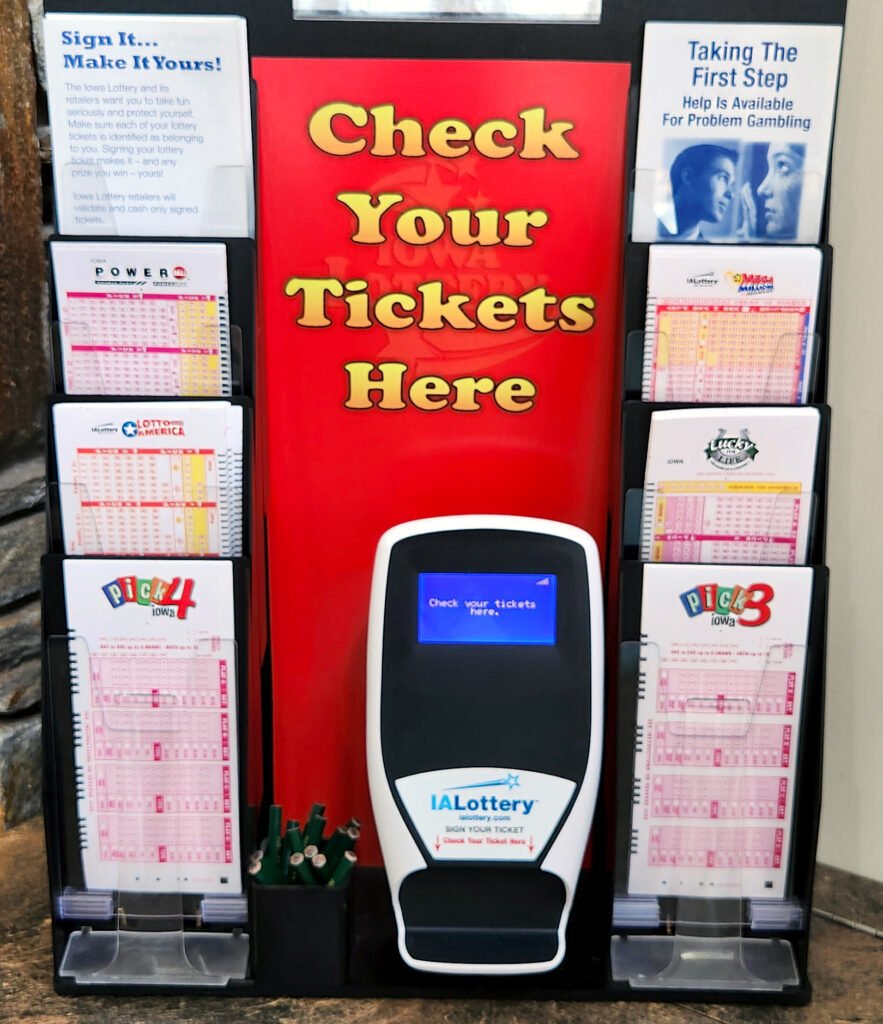
- Forgotten tickets: bought on a whim, stuck in a drawer, a wallet, or a glovebox, never checked.
- The “no jackpot, no win” fallacy: many players toss tickets after missing the jackpot, not realizing they matched enough numbers for a lower-tier prize.
- Lost or damaged tickets: tickets run through the laundry or thrown out with receipts. No ticket, no claim — lotteries cannot pay without the physical ticket.
- Unchecked secondary prizes: winners of smaller tiers simply never look at the full results breakdown.
Where Does the Money Actually Go?
The answer depends on the state — and this is one of the least understood parts of the lottery system.
- California: prizes unclaimed after 180 days go to the state fund for public education. The California Lottery reports $40–50 million a year in unclaimed prizes flowing to schools.
- Michigan: everything unclaimed after one year goes to the School Aid Fund, which supports school districts and teacher retirement.
- Florida: when a $44 million Lotto jackpot went unclaimed in Kissimmee, 80% of the money went to state education programs and the rest went back into the prize pool for future drawings.
- Virginia: all unclaimed money must go to the Literary Fund for educational purposes — the lottery has transferred more than $190 million in unclaimed money to it.
- Pennsylvania: unclaimed prizes — about $18 million a year on average — support programs for older Pennsylvanians.
- Multi-state jackpots: when nobody claims a Powerball or Mega Millions jackpot, the money is redistributed among the participating state lotteries rather than disappearing.
So if you ever worry that an expired ticket is money simply wasted, it helps to know the money generally ends up funding schools, seniors, or the next game’s prize pool.
The Biggest Prizes Nobody Ever Claimed
- $77.1 million, Georgia, 2011 — the largest unclaimed jackpot in US history. A Powerball ticket for the June 29, 2011 drawing was sold at a travel center in Tallapoosa, and nobody came forward before the 180-day window closed.
- $68 million, New York, 2002 — a Mega Millions ticket for the Christmas Eve 2002 drawing, bought in Queens, expired untouched.
- $63 million, California, 2015 — a SuperLotto Plus jackpot from August 2015 that nobody claimed; the money went to California public schools.
- $51.7 million, Indiana, 2002 — one half of a $103 million Powerball jackpot (a ticket near the Indianapolis airport) went unclaimed; the other half was claimed in Pennsylvania.
- $44 million, Florida — the Kissimmee Lotto jackpot described above, which expired 180 days after the drawing.
How Long Do You Have? It Varies by State
Claim windows are not the same everywhere. Examples:
- 180 days: California, Florida, Colorado, Virginia (Mega Millions)
- One year: Michigan, Pennsylvania, New York
Always check your own state’s rules — the clock starts on the draw date, and there are no extensions for “I forgot.”
How to Make Sure You Never Lose a Win
- Check every tier, not just the jackpot. Matching three numbers can be worth real money — use our lottery ticket checker to verify your numbers against the latest results.
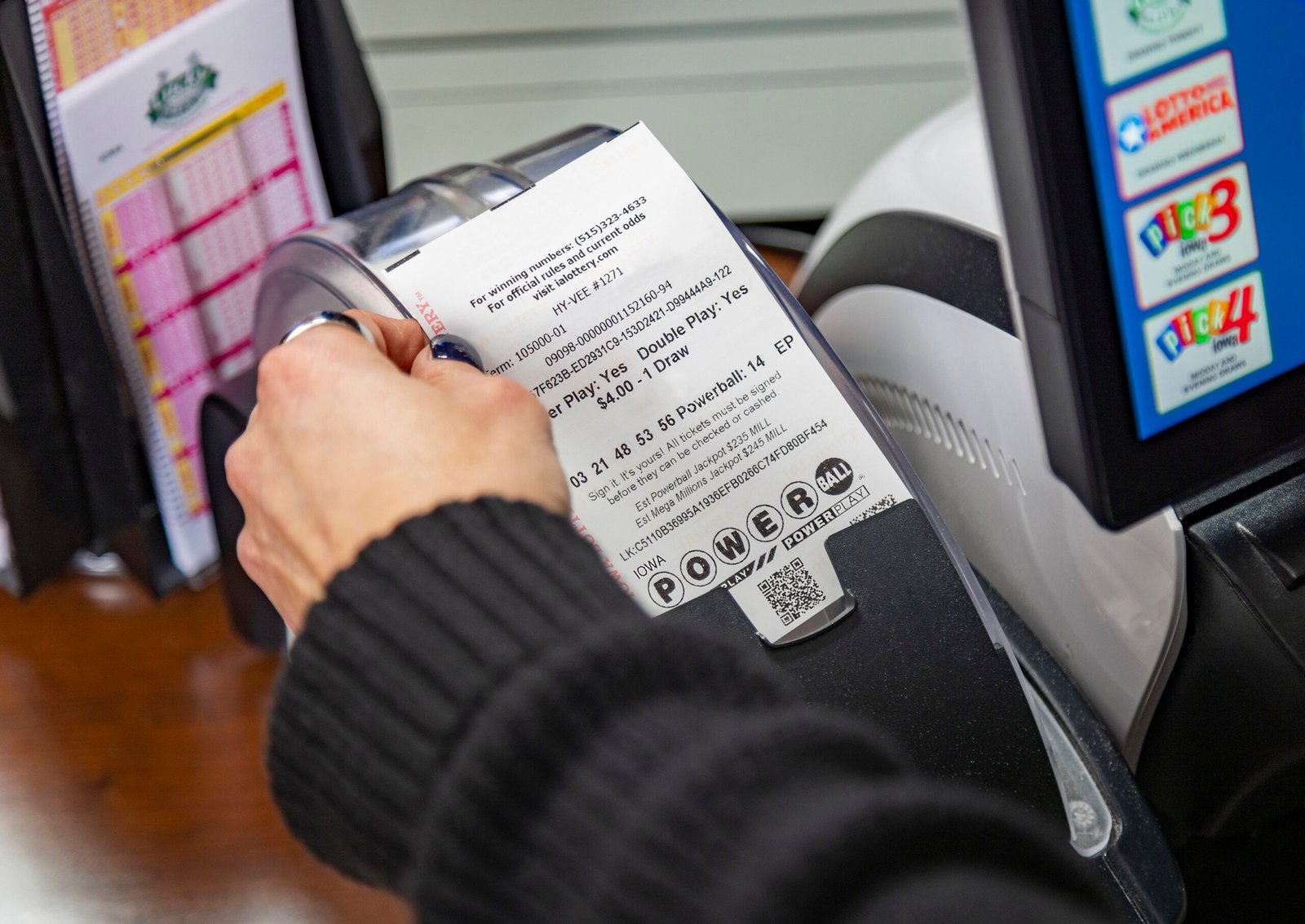
- Sign the back of your ticket. A signed ticket is much easier to defend as yours.
- Photograph it. A dated photo is proof of purchase if the ticket is lost or damaged.
- Know your deadline. Note your state’s claim window and set a reminder — waiting “until I get around to it” is how prizes die.
- Claim early, plan calmly. If you win big, take a breath: assemble a lawyer and a financial adviser before you claim, and run your after-tax numbers on our lottery tax calculator.
Curious how a forfeited fortune compares with a claimed one? See what a real jackpot is worth after tax and over time on our annuity vs. lump sum calculator — and follow the live results on our Powerball results page so you never miss checking a ticket again.
Frequently Asked Questions
Does unclaimed lottery money just disappear?
No. It is redirected by the state lottery — usually to education funds, prize pools for future drawings, or state programs. It is never pocketed by lottery officials.
How much lottery money goes unclaimed each year?
More than $1 billion annually in the US, with research estimates reaching $2–3 billion. In one fiscal year, 167 prizes of $1 million or more went unclaimed.
Can I claim a prize after the deadline?
No. Once the claim window closes, the prize is forfeited permanently. Lotteries make no exceptions, so check your tickets promptly.
Do retailers still get their bonus on unclaimed tickets?
Yes. The retailer that sold a winning ticket typically still receives its sales bonus even if the prize goes unclaimed.